
A Remarkable Honour: Becoming a Fellow of the Canadian Academy of Health Sciences (FCAHS)
There are moments in a career that encourage you to pause, reflect, and appreciate the journey.
I am deeply honoured to have been elected as a Fellow of the Canadian Academy of Health Sciences (FCAHS), one of the highest recognitions for individuals who have made sustained contributions to Health Sciences in Canada.
The Canadian Academy of Health Sciences recognizes leaders whose work has advanced health research, health care, health policy, and innovation. Fellowship is awarded not only for scientific excellence, but also for leadership, mentorship, collaboration, and a commitment to improving the health of Canadians and people around the world.
While this distinction is awarded to an individual, I see it as recognition of the extraordinary teams, mentors, collaborators, trainees, research staff, and families who have shared this journey with me.
Looking Back
When I published my first scientific paper more than two decades ago, I never imagined where that journey would lead.
What began as curiosity about how newborn babies make the transition from fetal to neonatal life has grown into a lifelong passion for improving neonatal care through research.
Looking back, I feel incredibly fortunate to have contributed to more than 400 peer-reviewed publications, to have collaborated with outstanding researchers across six continents, and to have worked with international organizations including the International Liaison Committee on Resuscitation (ILCOR), the American Heart Association (AHA), and the Neonatal Resuscitation Program (NRP) to help develop evidence-based neonatal resuscitation guidelines.
It has also been immensely rewarding to see the continued growth of the Centre for the Studies of Asphyxia and Resuscitation (CSAR). What began as a single research centre has evolved into an international collaborative network, with new national and international CSAR sites expanding opportunities for multicentre research, trainee exchange, and global collaboration. These partnerships strengthen our collective ability to answer important research questions and improve the care of newborn infants around the world.
Perhaps even more rewarding has been the opportunity to mentor the next generation of clinician-scientists. Watching undergraduate students, graduate students, residents, fellows, and early-career researchers develop into independent investigators has been one of the greatest privileges of my career. Their curiosity, creativity, and passion continue to inspire me every day.
Science Is Never a Solo Effort
Research is fundamentally a team sport.
Every publication represents years of work by dedicated students, research coordinators, nurses, respiratory therapists, statisticians, collaborators, funding agencies, and institutions. Most importantly, it reflects the generosity of the families who choose to participate in research so that future newborns may benefit.
None of these achievements would have been possible without the remarkable people I have had the privilege to work alongside.
I am deeply grateful to every mentor who challenged me, every trainee who inspired new ideas, every collaborator who generously shared their expertise, and every family who placed their trust in our research.
Looking Forward
Although I am incredibly grateful for this recognition, I see it less as the culmination of a career and more as encouragement for the work still ahead.
There is still so much we do not know about the care of newborn infants.
Through initiatives such as NeoCAN, Canada's neonatal clinical trials network, Research4Babies, and our expanding international collaborations through CSAR, we are building the next generation of multicentre clinical trials focused on neonatal resuscitation, respiratory support, oxygen therapy, brain protection, cardiopulmonary resuscitation, and long-term outcomes.
Our goal is not simply to publish more papers—it is to generate the evidence that changes clinical practice, informs international guidelines, and improves outcomes for newborn infants and their families.
At the same time, through Research4Babies, we are committed to making neonatal research accessible to everyone by translating complex science into practical, evidence-based information for healthcare professionals, researchers, trainees, and families around the world.
Because research only changes lives when knowledge is shared.
A Shared Achievement
This honour belongs to everyone who has been part of this journey.
To my family, thank you for your unwavering love, patience, and support throughout the many evenings, weekends, and international travels that research has required.
To my mentors and colleagues, thank you for your guidance, friendship, and inspiration.
To my trainees, thank you for your curiosity, enthusiasm, and commitment to asking important questions.
To the funding agencies and institutions that believed in our vision, thank you for making this work possible.
And to the thousands of newborns and families who have participated in our studies over the years—thank you. Your willingness to contribute to research continues to improve the care of babies around the world.
This recognition is as much yours as it is mine.
Continuing the Journey
Every newborn deserves the best possible start in life.
Every family deserves care guided by the best available evidence.
Every trainee deserves the opportunity to ask bold questions.
And every research question we answer brings us one step closer to improving the lives of newborns around the world.
I am deeply honoured to continue this journey as a Fellow of the Canadian Academy of Health Sciences (FCAHS).
Thank you for being part of it.
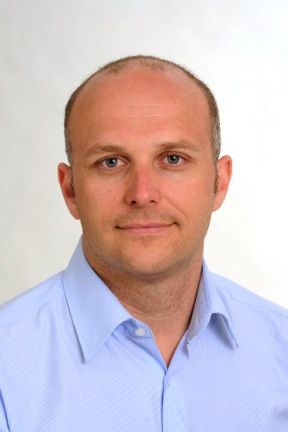
Honoured to be elected a Fellow of the Canadian Academy of Health Sciences
Georg M. Schmölzer, MD, PhD, FCAHS
Research4Babies
Advancing neonatal research. Sharing knowledge. Improving newborn lives


Comments